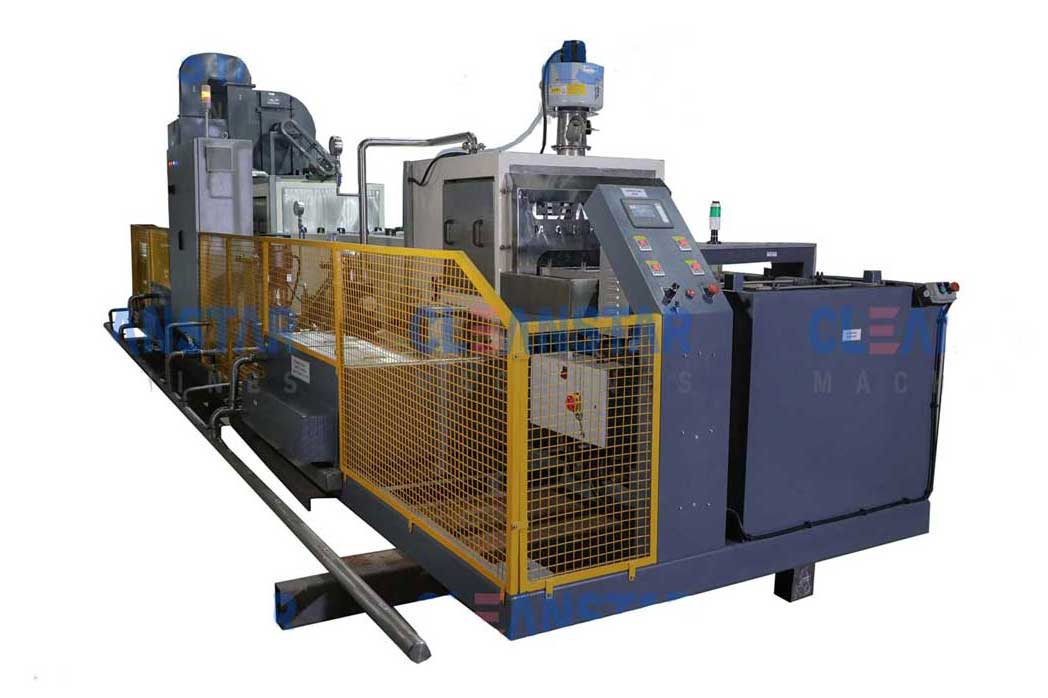



In today’s manufacturing and material-handling industries, cleanliness is no longer an optional practice—it is a critical parameter that directly impacts product quality, workplace hygiene, equipment life, and compliance with global safety standards. Among the many industrial cleaning systems available, the bin cleaning machine has become one of the most essential and frequently used cleaning solutions across sectors such as food processing, pharmaceuticals, logistics, automotive, FMCG, chemical plants, and warehousing.
Industrial bins and crates carry raw materials, components, tools, consumables, packaging items, and finished goods. With frequent use, they accumulate oil, dust, grease, chemical residue, food waste, and other contaminants. Manual washing is time-consuming, inconsistent, labour-intensive, and unsafe. This is where modern bin cleaning machines provide a highly efficient, automated, and cost-saving alternative.
In this comprehensive blog, we take a detailed look at what a bin cleaning machine is, how it works, the process involved, industries that rely on these machines, why every modern factory needs one, and how choosing the right bin cleaning system can transform your cleanliness standards.
What is a Bin Cleaning Machine?
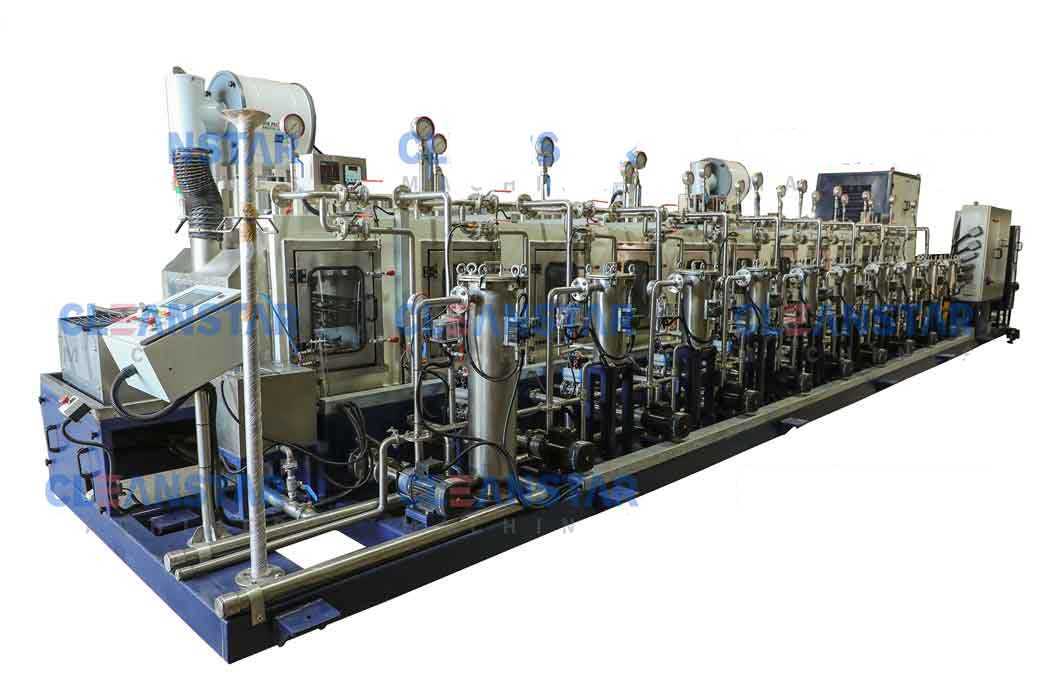
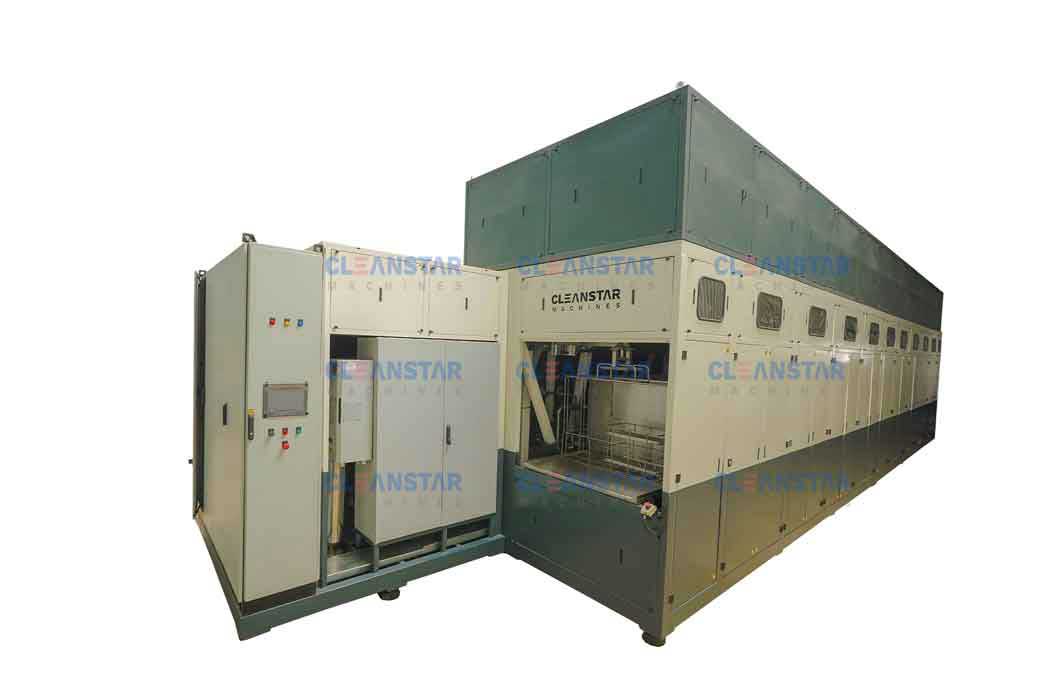
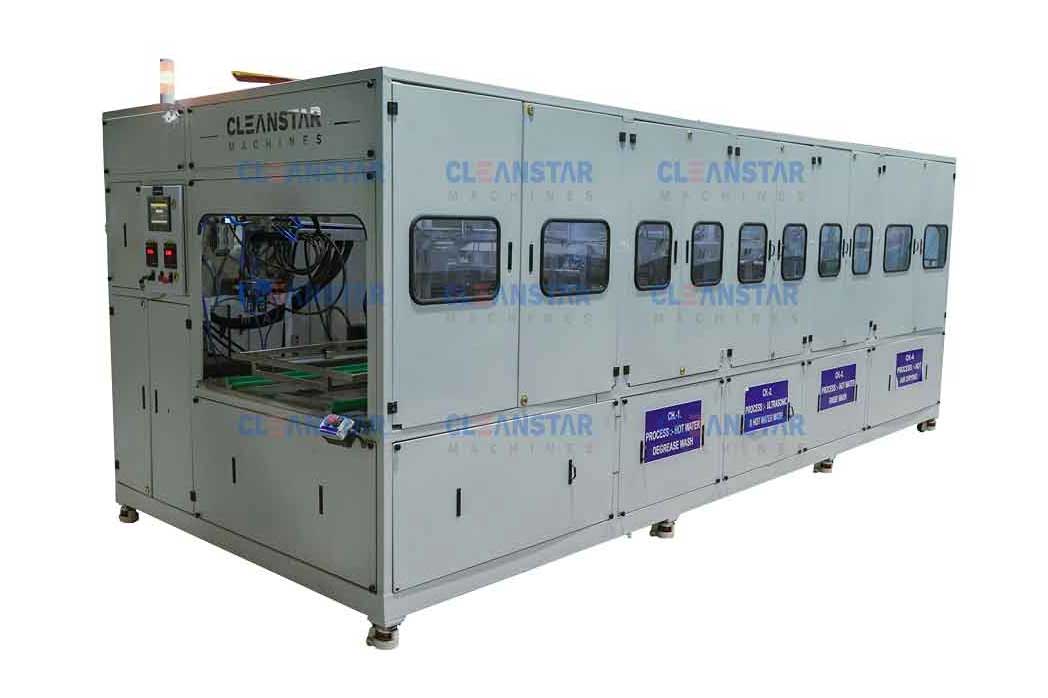
A bin cleaning machine is an automated industrial system designed to thoroughly clean, wash, rinse, and dry a wide variety of bins such as plastic bins, metal bins, crates, tubs, pallets, and containers. These machines use high-pressure water jets, hot water, detergents, spray nozzles, and automated conveyor or rotary mechanisms to remove dirt, grease, stains, and contaminants from both the interior and exterior surfaces of bins.
Unlike manual washing, which can leave behind blind spots, a bin cleaning machine ensures uniform and repeatable cleaning results. Machines are carefully engineered to suit different bin sizes, shapes, and contamination levels so that industries can maintain hygiene without interrupting productivity.
Why Bin Cleaning Is So Important Today
Industrial bins may look simple, but their role in a production ecosystem is huge. Dirty bins can lead to:
- Product contamination
- Spoilage in food or pharma products
- Increase in microbial growth
- Cross-contamination between batches
- Damaged components
- Worker safety and hygiene issues
- Failure in audits and quality certifications
A bin cleaning machine eliminates these risks by ensuring every bin is consistently washed to a defined cleanliness standard. For industries that deal with sensitive materials or strict hygiene protocols, these machines are essential, not optional.
How a Bin Cleaning Machine Works – Step-by-Step Process
While the design and size may vary across manufacturers, the working principle remains similar. A typical bin washing cycle includes the following stages:
- Loading: Bins are placed manually or automatically onto a conveyor, trolley, or rotary system. In high-output machines, bins move continuously, allowing a large number of bins to be cleaned per hour.
- Pre-Wash Stage: The bins are sprayed with high-pressure water to remove loose contaminants like dust, scraps, food particles, or packaging remains. This reduces the load on the main washing stage.
- Main Wash Stage: This is the core of the cleaning process.Here, bins are washed using:
- High-pressure spray jets
- Hot water
- Specialised detergents
- Rotating spray manifolds
- Internal and external nozzles
- Rinse Stage: After the detergent wash, the bins are rinsed thoroughly with fresh water to remove any soap residue. This step is crucial for food-grade and pharma-grade applications.
- Optional Sanitization: Some industries require chemical sanitizers or disinfectants to eliminate microbes. Machines can be customized to include a sanitization stage for ultra-clean applications.
- Drying Stage: Bins may be dried using:
- Blower air knives
- Hot air blowers
- Drip-dry conveyors
- Unloading: Clean and dry bins exit the system and are ready to go back into the production cycle. In fully automated systems, this process requires almost zero manpower.
The combination of hot water and high-pressure nozzles ensures deep cleaning even in narrow corners and hard-to-reach surfaces.
This ensures the bins are ready to use immediately, without water marks or moisture retention.
Types of Bin Cleaning Machines
Different industries require different cleaning systems based on their bin size, contamination level, and production volume. The most common types include:
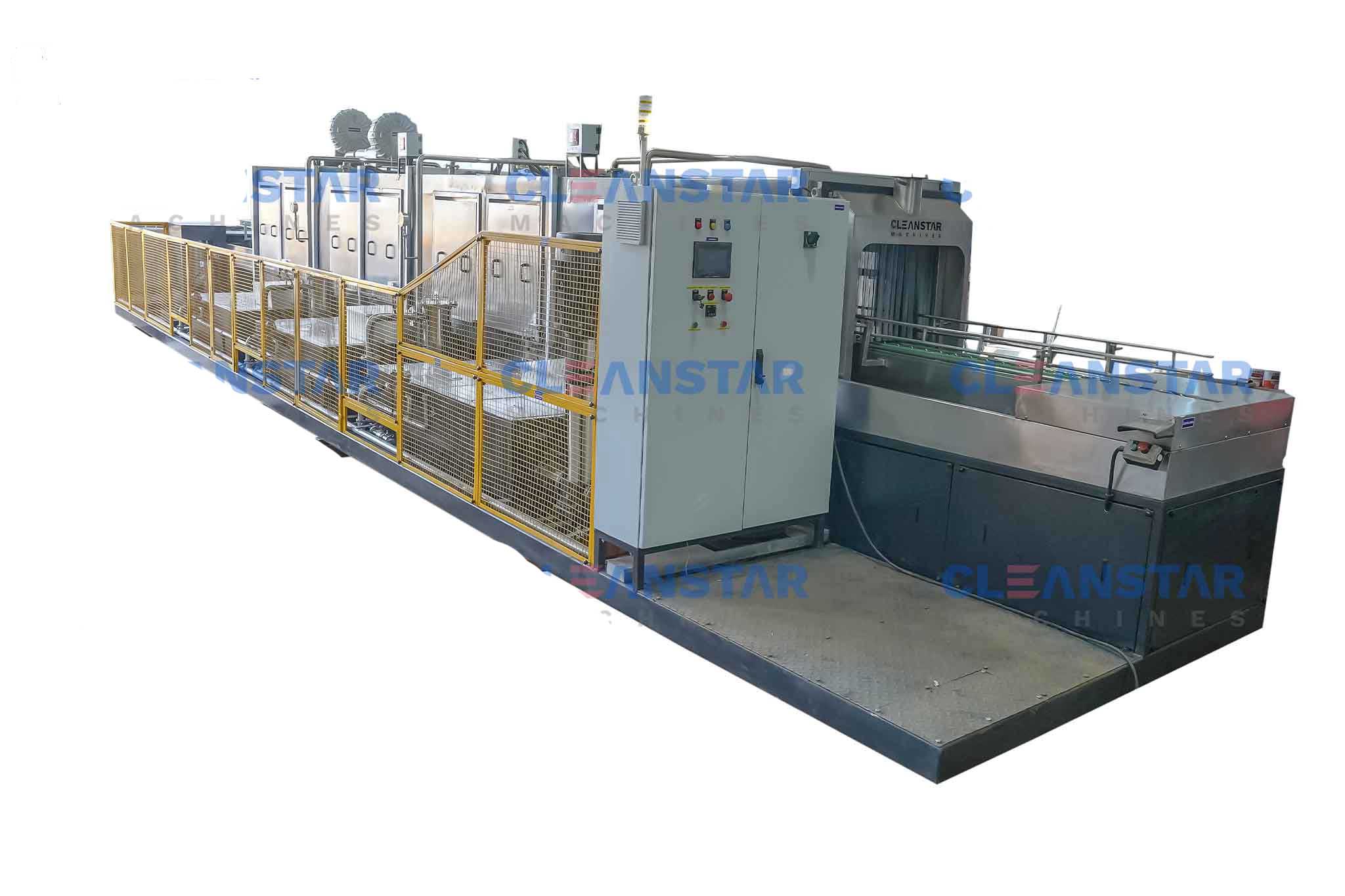
Conveyor-Type Bin Cleaning Machine
Ideal for medium to high-volume applications. Bins move along a conveyor through multiple washing zones.
Rotary Bin Cleaning Machine
Bins rotate inside a chamber or drum, allowing 360-degree jet coverage—best for heavily contaminated bins.
Cage Rotation Bin Cleaning Machine (Advanced Innovation)
A specialized machine where a cage rotates the bin during cleaning, ensuring deep penetration of spray jets.
Batch-Type Bin Cleaning Machine
Suitable for small industries or low-volume requirements. Bins are cleaned in batches.
Fully Automatic Bin Washing Line
Large factories use these systems for massive bin cleaning requirements. They include automated loading, washing, drying, and unloading.
Industries That Use Bin Cleaning Machines
These machines are widely used across industries where hygiene and cleanliness are essential:
- Food Processing and Packaging(dairy bins, bakery crates, fruit & vegetable crates, meat bins)
- Pharmaceuticals and Healthcare(sterile material bins, ingredient bins)
- Automotive and Engineering(component bins, tool crates, machine part containers)
- Logistics and Warehousing(storage bins, reusable transit packaging)
- FMCG Companies(packing crates, distribution bins)
- Chemical and Paint Industries(chemical residue bins, hazardous waste bins)
- Plastic Manufacturing Units(raw material bins, regrind bins)
Any industry that reuses bins multiple times benefits immensely from a bin cleaning machine.
Advantages of Using a Bin Cleaning Machine
A high-quality bin cleaning machine offers several long-term benefits:
- Consistent and Superior Cleaning: Automated machines provide a uniformly clean surface every time, ensuring zero contamination.
- Time and Manpower Savings: Manual cleaning is slow and labour-intensive. Machines reduce manpower by up to 70–80%.
- Reduced Water and Chemical Consumption:Modern machines are designed for water and detergent recirculation, significantly reducing operational costs.
- Higher Productivity: Clean bins cycle back into production faster, improving workflow efficiency.
- Better Compliance with Hygiene Standards:Ideal for factories aiming to meet HACCP, GMP, FSSAI, and other hygiene certifications.
- Extended Bin Life: Proper cleaning prevents wear, corrosion, and damage to bins—maximizing their lifespan.
How to Choose the Right Bin Cleaning Machine
Selecting the right bin cleaning system depends on:
- The type and size of bins
- Volume of bins cleaned per day
- Type of contamination
- Temperature requirements
- Need for automatic or semi-automatic operation
- Space availability
- Industry hygiene standards
- Desired level of energy efficiency
A professional manufacturer can help assess your requirements and offer a customized machine that fits your exact application.
Why Investing in a Bin Cleaning Machine Is a Smart Decision
Whether you’re a small manufacturing unit or a large industrial plant, a bin cleaning machine can significantly improve operational hygiene and productivity. Industries are increasingly shifting from manual cleaning to automated washing to achieve:
- Faster production cycles
- Zero contamination
- Type of contamination
- Enhanced worker safety
- Reduced cleaning costs
- Environment-friendly cleaning practices
The return on investment (ROI) is extremely high because the machine reduces labour costs, water usage, downtime, and rejects due to contamination.
Conclusion
A bin cleaning machine is more than just a cleaning solution—it is a vital part of modern, efficient, and hygienic manufacturing. With growing quality standards, strict audits, and increasing production volumes, industries can no longer rely on manual cleaning. Automated bin washing systems ensure consistent cleaning, faster turnaround, reduced operational costs, and improved product safety.
Whether your factory handles food, pharmaceuticals, automotive components, chemicals, or logistics material, adopting a high-performance bin cleaning machine is a smart long-term investment that boosts both hygiene and productivity.
FAQs - Bin Cleaning Machine
What is a bin cleaning machine?
A bin cleaning machine is an automated system designed to wash, rinse, and dry industrial bins, crates, and containers using high-pressure jets, hot water, and detergents. It ensures consistent cleaning and hygiene standards across industries.
Which industries need a bin cleaning machine?
Industries such as food processing, pharmaceuticals, automotive, FMCG, logistics, chemical plants, and warehousing use bin cleaning machines to maintain hygiene and prevent contamination.
What types of bins can be cleaned?
Plastic bins, metal bins, crates, ingredient bins, material-handling containers, storage crates, pallets, and even custom-designed industrial containers can be cleaned with the right machine.
How does a bin cleaning machine work?
The machine performs cleaning through stages like pre-wash, detergent wash, high-pressure jet cleaning, rinsing, sanitizing, and drying. Bins move automatically through each zone for consistent results.
Is a bin cleaning machine better than manual washing?
Yes. It saves labour, reduces water consumption, provides uniform cleaning, improves hygiene standards, and significantly reduces the chance of contamination.
Can machines be customized?
Absolutely. Manufacturers offer customized options for bin size, contamination level, number of washing stages, heating options, drying modules, and automation level.
What is the maintenance requirement?
Regular nozzle cleaning, pump inspection, filter cleaning, and timely replacement of consumables ensure peak machine performance. Most machines are designed for easy maintenance.
Does a bin cleaning machine save costs?
Yes. It reduces manpower, water usage, detergent consumption, downtime, and product rejections caused by contamination—resulting in strong ROI.